
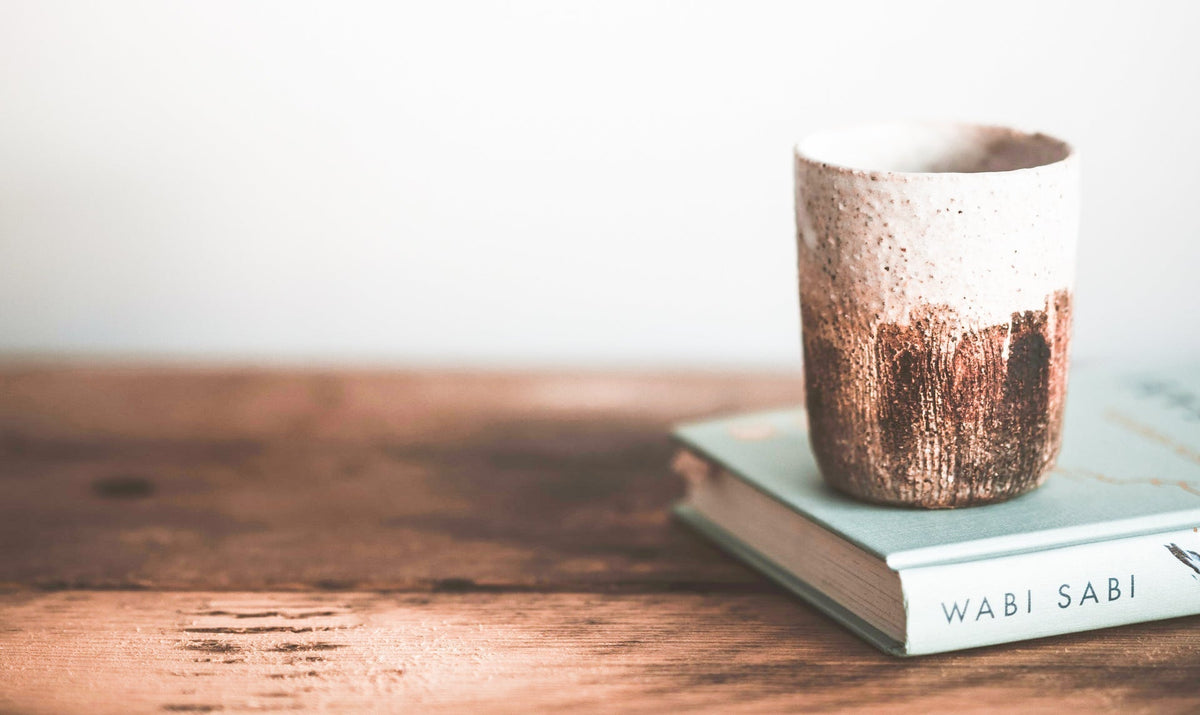
Wabi-Sabi: The Beauty of Imperfection
Wabi-Sabi is a Japanese aesthetic sensibility that finds beauty in simplicity, impermanence and imperfection. It invites us to appreciate natural materials, irregular forms and the traces that time leaves behind.
Its roots developed over centuries through Japanese culture and Zen-influenced aesthetics. In contemporary interiors, Wabi-Sabi offers a calm alternative to polished uniformity: rooms feel personal, tactile and connected to nature.
WABI-SABI IN INTERIOR DESIGN
Wabi-Sabi interiors favour honest materials, muted natural colours and objects whose surfaces reveal their history. Weathered wood, handmade ceramics, stone, linen and sculptural pieces with organic silhouettes bring warmth and individuality to a space.
The aim is a considered environment where every object has presence and can be appreciated over time. Patina, variation and craftsmanship become part of the beauty rather than details to conceal.
THE GREENWICH HOTEL
The TriBeCa Penthouse at The Greenwich Hotel was created by Belgian designer Axel Vervoordt and Japanese architect Tatsuro Miki with the hotel’s partners. Its quiet materials and layered surfaces offer a refined contemporary interpretation of Wabi aesthetics.


KINTSUGI
Kintsugi is the Japanese art of repairing broken ceramics with lacquer highlighted by powdered metal, often gold. It is a distinct tradition that resonates with Wabi-Sabi through its appreciation of age, repair and visible history.

PETRIFIED WOOD
Petrified wood began as a tree and transformed into stone over millions of years. Its preserved grain, mineral colour and organic form give each piece a quiet sculptural presence.

SHOU SUGI BAN
Shou Sugi Ban, widely known in Japan as yakisugi, uses fire to char and protect the surface of wood. The technique creates deep charcoal tones and a distinctive texture shaped by hand and flame. Read more in 10 Intriguing Facts About Shou Sugi Ban.
Discover the Kirschon collection online or visit our showroom and gallery by appointment at Via Roma 38, 22020 Dizzasco (CO), near Lake Como.
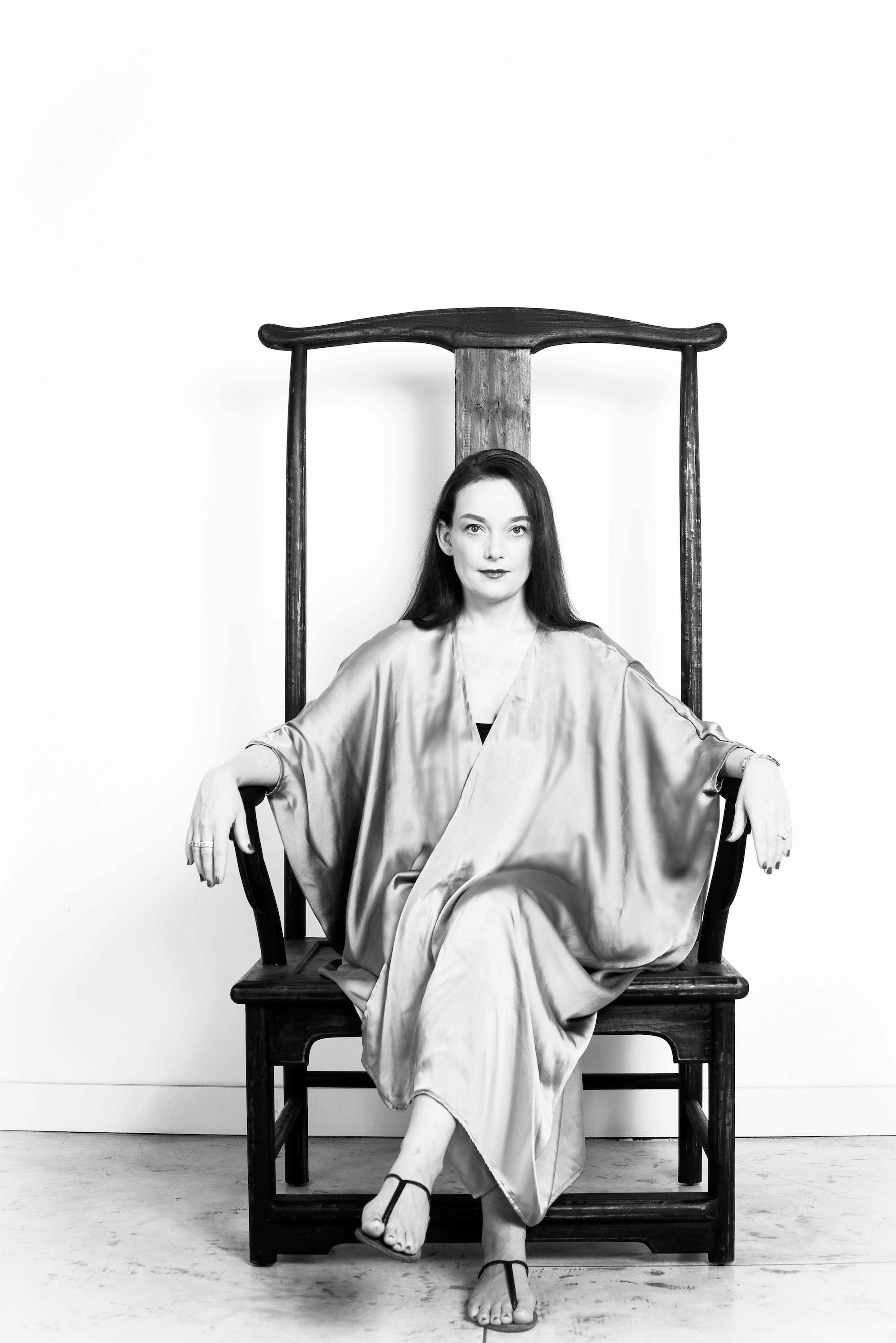
Written by Sandra Kirschon


Leave a comment
This site is protected by hCaptcha and the hCaptcha Privacy Policy and Terms of Service apply.