

The Ancient Art of Wood Carving in Sumba

On the Indonesian island of Sumba, wood carving is closely connected with architecture, ancestral memory and ceremonial life. Skills are passed through families and workshops, while forms and motifs reflect the island’s distinct cultural traditions.
ANCESTORS, ANIMALS AND SYMBOLIC FORMS
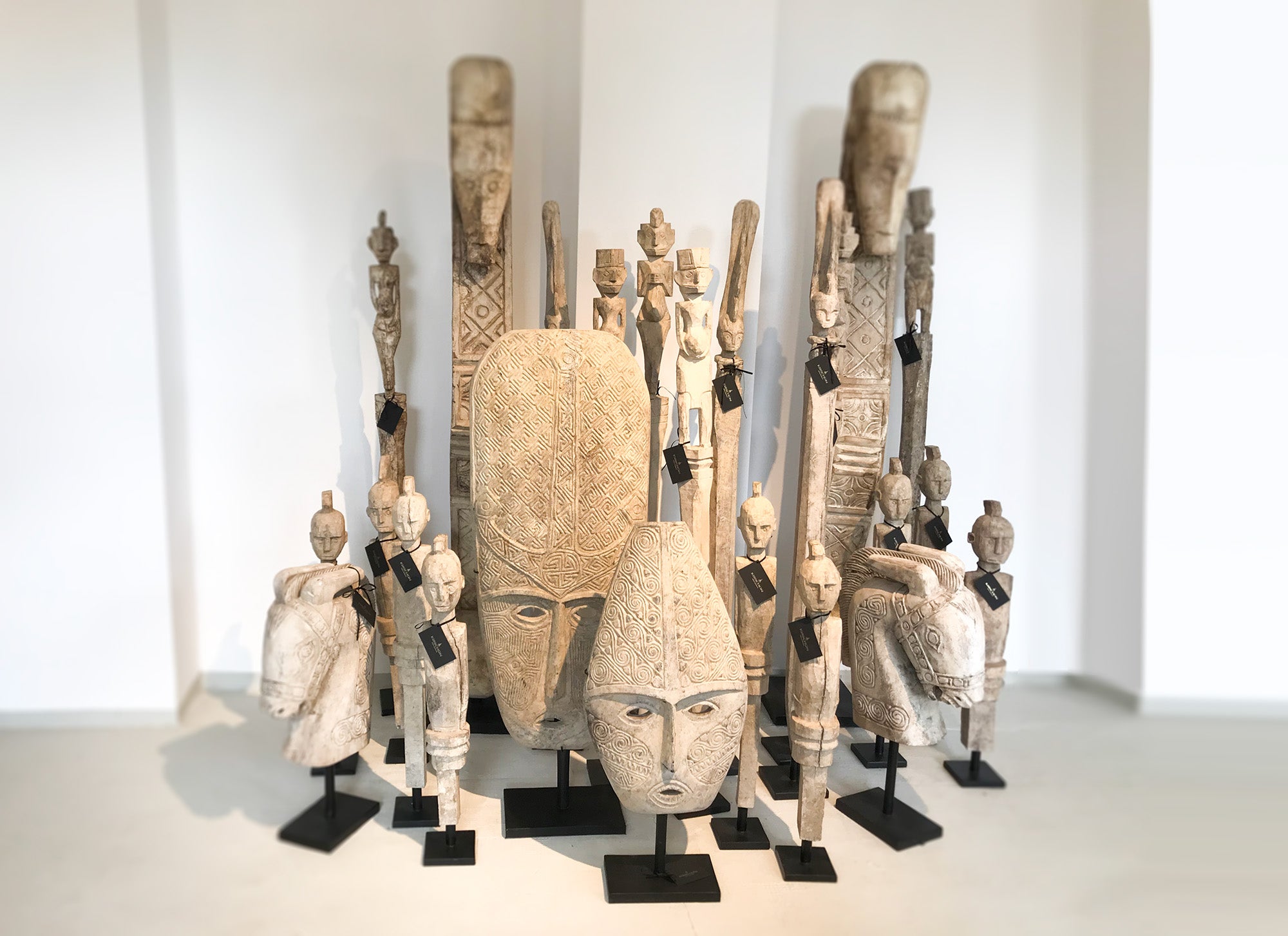
Sumbanese carving often represents ancestors, protective figures, horses and other animals. Meanings vary according to community and context, but many works relate to the Marapu ancestral belief system and to the relationship between the living, the ancestors and the natural world.
WOOD, ARCHITECTURE AND DAILY LIFE
Carved elements appear in traditional houses, architectural posts, doors and freestanding figures. Artisans choose wood according to availability, durability and purpose. Teak and other dense timbers can be used for long-lasting structural or sculptural work, while aromatic sandalwood once played an important role in the island’s history and trade—Sumba was known to outsiders as the Sandalwood Island.
A LIVING TRADITION
Contemporary Sumbanese carvers continue to interpret inherited forms by hand. Tool marks, variations in proportion and the natural grain of the wood give each object an individual presence. Displayed in a modern interior, these works remain connected to the cultural landscape from which they emerged.

Explore Kirschon’s selection of wood statues from Sumba and other Southeast Asian artefacts online or in our Dizzasco showroom near Lake Como, open by appointment. Free shipping is available to most European countries, and prices for destinations outside the EU are shown without EU VAT where applicable.
For enquiries, contact us at info@kirschon.com or WhatsApp +39 331 9632422.
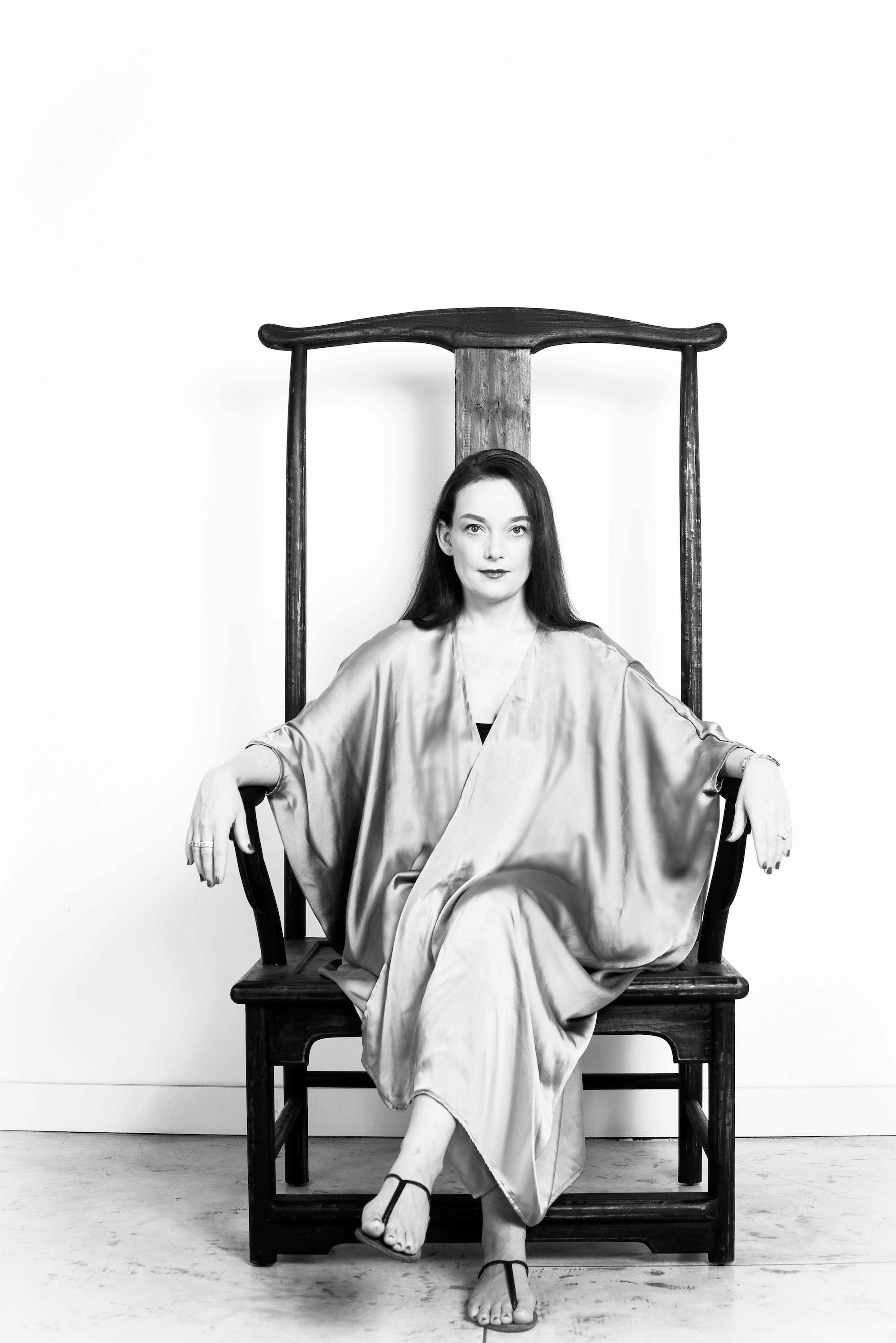
Written by Sandra Kirschon


Leave a comment
This site is protected by hCaptcha and the hCaptcha Privacy Policy and Terms of Service apply.